
 Boy's name
Sef
Sef is a Hebrew name meaning 'end' or 'boundary,' symbolizing completion and new beginnings in spiritual contexts.



big stories

Meaning of Sef
Sef is a Hebrew name meaning 'end' or 'boundary,' symbolizing completion and new beginnings in spiritual contexts.
Names like Sef are often associated with qualities of resilience, reflection, and a sense of purpose.

Origin & background of Sef
The name Sef originates from the Hebrew word 'Sef,' which translates to 'end' or 'boundary,' and carries deep symbolic meaning within Jewish tradition. Historically, it is often associated with the concept of reaching a conclusion or a boundary point, signifying the completion of a cycle or the culmination of a journey. In spiritual contexts, Sef can represent the idea of closure that makes way for new beginnings, embodying the cyclical nature of life and growth.
The name also ties into the broader Hebrew linguistic tradition, where it may be connected with words related to measurement, limits, or horizons, emphasizing the importance of setting boundaries and understanding limits. Over time, Sef has been embraced as a modern name choice that reflects a sense of purpose and continuity, often used to symbolize resilience and the promise of renewal after endings. While less common globally, it holds cultural significance within Jewish communities and among those who appreciate its rich spiritual symbolism.
Popularity in the Netherlands


Popularity in the app


Associations with the name Sef
What follows describes the associations naming traditions attach to this name, not the people who carry it.
Names like Sef are often associated with qualities of resilience, reflection, and a sense of purpose. The name evokes a personality that values boundaries and structure, fostering a sense of discipline and focus. Individuals with this name might be seen as thoughtful and introspective, often contemplating their goals and the cycles of life.
The symbolism of endings and beginnings suggests a person who can adapt to change with grace and optimism, embracing new chapters with confidence. Additionally, the name carries an aura of spirituality and depth, hinting at a personality that seeks meaning beyond the surface and values growth and renewal. Such individuals are often regarded as wise, grounded, and resilient, with a natural inclination toward introspection and personal development.

Spellings & variants
We know of no other spellings of Sef yet. If we find them, they will be here.

Famous bearers
No widely known bearers are known. The name Sef remains relatively rare and does not have prominent historical or contemporary figures carrying this exact name who are widely recognized internationally. It is primarily used within specific cultural or family contexts, often chosen for its meaningful symbolism rather than for fame or notoriety. Nonetheless, the name’s spiritual and cultural roots give it a timeless appeal for parents seeking a distinctive and meaningful name for their child.
Similar names
Is Sef on your list? Swipe together and find out whether your partner keeps it too.
Do you like Sef?
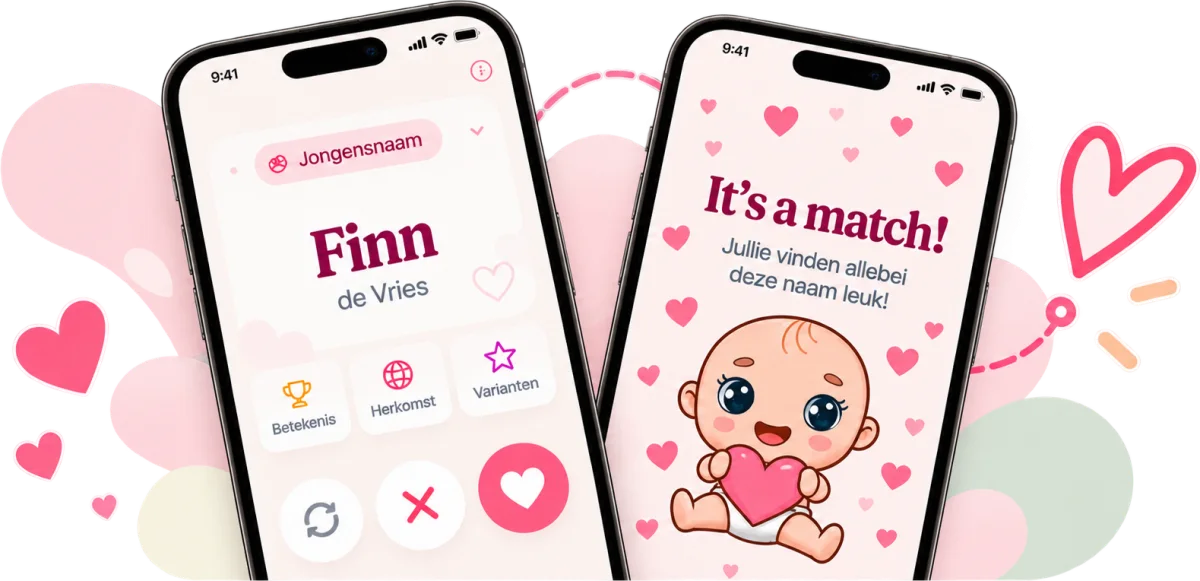
Swipe this name in the Baby Name Swiper app and find out whether your partner likes it too.

Frequently asked questions about Sef
What does the name Sef mean?
Sef is a Dutch name. Sef is a Hebrew name meaning 'end' or 'boundary,' symbolizing completion and new beginnings in spiritual contexts.
Where does the name Sef come from?
Sef is a name of Dutch origin.
How popular is Sef?
In 2025, 180 children in the Netherlands were given this name. Source: Sociale Verzekeringsbank. Within Baby Name Swiper Sef sits at number 3606, and 15% of the people who saw it liked it.
Is Sef a boy's or girl's name?
Sef is a boy's name.
How do you pronounce Sef?
Sef has 3 letters. There is a button above to hear it pronounced.
Which famous people are named Sef?
Famous people named Sef include: No widely known bearers are known. The name Sef remains relatively rare and does not have prominent historical or contemporary figures carrying this exact name who are widely recognized internationally. It is primarily used within specific cultural or family contexts, often chosen for its meaningful symbolism rather than for fame or notoriety. Nonetheless, the name’s spiritual and cultural roots give it a timeless appeal for parents seeking a distinctive and meaningful name for their child.